By Tamia Kadesha
For most of us, eating breakfast, lunch, and dinner every day feels automatic. It’s a rhythm we’ve grown up with, but is it always necessary? Studies on human eating patterns suggest that our biological peak for energy and digestion actually occurs around the middle of the day, often between noon and early afternoon, when our metabolism is naturally at its highest. This means our bodies are better at processing and utilizing food during this window than late at night.
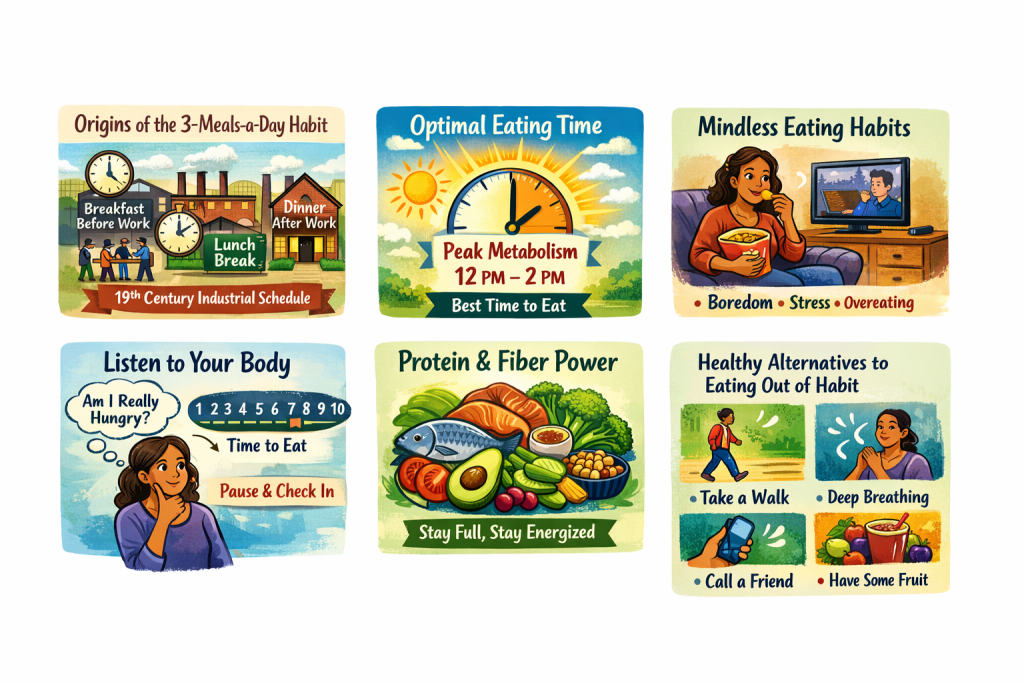
The “three meals a day” routine isn’t actually based on biology, it came from industrial work schedules during the 19th century. Factory workers needed structured eating times: breakfast before work, lunch during the break, and dinner after. Over time, this became a social norm, not a biological necessity.
So taking into account our modern life and work schedules, society created the expectation of three meals a day, not biology. And while some people thrive on this schedule, others may benefit more from listening to hunger cues, prioritizing protein and fiber, and eating in harmony with activity and energy needs.
Let’s take a closer look at this habit and explore how we can reconnect with our body’s natural hunger cues, eat more mindfully, and even curb those moments when we eat simply because we’re bored or stressed.

Why Eating with Awareness Matters
Eating mindlessly or by routine “because it’s lunch time” or “because snacks are on the table” can lead to overeating, sluggishness, and poor nutrient absorption. Instead, intuitive eating emphasizes listening to your body and eating when you are genuinely hungry, while still remaining practical.
Many of us eat without truly thinking about it. We follow the clock — breakfast at 7 am, lunch at 1 pm, dinner at 7 pm, or reach for snacks simply because they’re within reach. This kind of mindless eating, or eating out of habit rather than hunger, can have several negative effects:
- Overeating: Eating when your body doesn’t need fuel can lead to consuming more calories than necessary, which may result in weight gain or digestive discomfort.
- Sluggishness: Constantly eating without listening to hunger cues can overload your digestive system, leaving you feeling tired and bloated.
- Poor nutrient absorption: When your body isn’t hungry, it may not digest or absorb nutrients efficiently, which can limit the benefits of the foods you eat.
- Emotional reliance on food: Eating out of boredom, stress, or routine can create a cycle where food becomes a source of comfort rather than nourishment.
Intuitive eating shifts the focus from the clock to your body. It’s about recognizing real hunger signals and responding appropriately. This doesn’t mean ignoring routine altogether, rather it means aligning your meals and snacks with your body’s actual needs.

Practical Ways to Eat with Awareness
- Pause and ask: Before reaching for food, ask yourself, “Am I truly hungry, or am I bored, stressed, or tired?”
- Check your hunger scale: Rate your hunger from 1 (not hungry) to 10 (starving). Aim to eat when you’re gently hungry (around 4–5).
- Eat without distractions: Avoid scrolling on your phone or watching TV while eating. Focus on the colors, textures, and flavors of your food.
- Listen to fullness cues: Stop eating when you feel satisfied, not stuffed. This helps prevent discomfort and overeating.
- Honor your activity level: If you’re physically active, your body may need more frequent meals to fuel recovery and performance.
⚠️ Disclaimer: This approach is not about rigid rules. It’s about awareness. If your body genuinely needs three meals especially if you’re active, athletic, or have energy-demanding hobbies like tennis, football, or long workouts — it’s perfectly fine to eat three meals a day. The key is timing, portion, and nutrient quality, not restriction.
By practicing mindful and intuitive eating, you give your body the attention it deserves, avoid unnecessary overeating, and learn to distinguish true hunger from habitual or emotional cravings. Over time, this approach fosters a healthier relationship with food, better energy levels, and more consistent digestion.
Rethinking Meal Timing: Studies on Optimal Eating Windows
Multiple studies in chrononutrition (the study of how meal timing affects health) suggest that human metabolism is most active around midday, roughly 11 am to 2 pm — the natural “peak” for digestion and energy use. During this peak window:
- Energy expenditure is higher, meaning calories consumed are more efficiently used.
- Blood sugar regulation is more effective, reducing the risk of insulin spikes.
- Digestive enzymes peak, allowing nutrients to be absorbed more fully.
Additionally, Studies on human circadian rhythms and metabolism show that:
- Calorie consumption earlier in the day is processed more efficiently.
- Eating the bulk of your calories around midday supports energy, digestion, and blood sugar regulation.
- Late-night eating, especially beyond 7:00–7:30 pm, can disrupt metabolic balance, contribute to weight gain, and impair sleep quality.
This doesn’t mean you must skip breakfast or dinner, but it does suggest that prioritizing your largest meal around midday can support better digestion, energy, and metabolic health. For those aiming to lose or maintain weight, consuming the majority of your calories earlier in the day and ideally closing your eating window by 7:00–7:30 pm has been associated with improved weight management, hormonal balance, and sleep quality. That said, flexibility matters. If your body is active — for instance, if you exercise, play sports like tennis, or have physically demanding hobbies, it’s perfectly fine to eat three meals a day or have a later eating window that goes past 7:30pm.
⚠️ Disclaimer: These are guidelines — individual needs vary. Listen to your body and adjust based on hunger, activity, and lifestyle.

Prioritize Protein and Fiber: Your Secret Weapons
Regardless of how many meals you eat, focusing on protein and fiber is key to sustaining energy, supporting recovery, and promoting long-term health. Protein and fiber aren’t just buzzwords — they are essential for satiety, muscle health, and gut function.
Protein supports muscle maintenance, repair and growth especially important for men and women who are physically active. Protein also aids in hormonal balance, helping keep energy stable throughout the day and helps maintain satiety which refers to the feeling of fullness and satisfaction after consuming food, which inhibits further eating. Examples of local protein sources here in Tanzania include eggs, fish (tilapia, sardines), chicken, beans, lentils, groundnuts, and dairy products, i.e., mtindi.
Fiber aids in smooth digestion and promotes gut health. Fiber also helps regulate and maintain blood sugar, preventing energy crashes and cravings. And lastly, eating foods rich in fiber keeps you feeling full longer. Examples of local fiber sources here in Tanzania include vegetables (mchicha, avocado, carrots), fruits (papaya, mango, bananas), beans, and whole grains like sweet potatoes.
Tip: Aim to include both protein and fiber in each meal, especially during lunch time which is the metabolic peak of your day. This combination helps keep you full, reduces unnecessary snacking, and ensures your body receives the nutrients it needs for repair and energy.
Practical Tips for Eating Less Frequently Without Starving
Many people assume that eating fewer meals automatically means feeling deprived, tired, or hungry all the time, but that’s far from true. The goal isn’t to starve yourself; it’s to eat smarter, not more often. By choosing nutrient-dense foods, aligning your meals with your natural hunger cues, and timing your eating window wisely, your body can thrive on fewer meals while maintaining steady energy, focus, and vitality.
This approach sometimes called time-conscious eating or intuitive meal spacing — teaches you to rely on the quality of your meals rather than their frequency. When your meals are rich in protein, fiber, and healthy fats, you stay fuller for longer, your digestion improves, and your energy levels remain stable throughout the day.
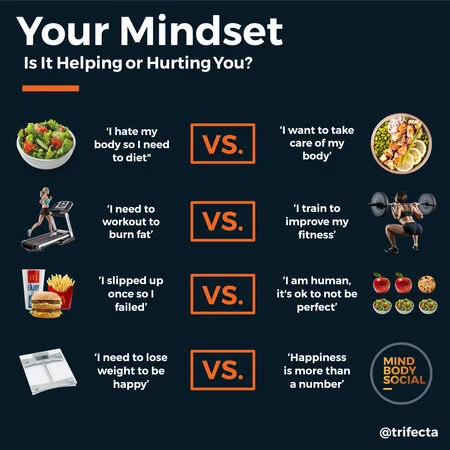
Here are a few simple but effective ways to make this approach practical for the daily average Tanzanians’ life:
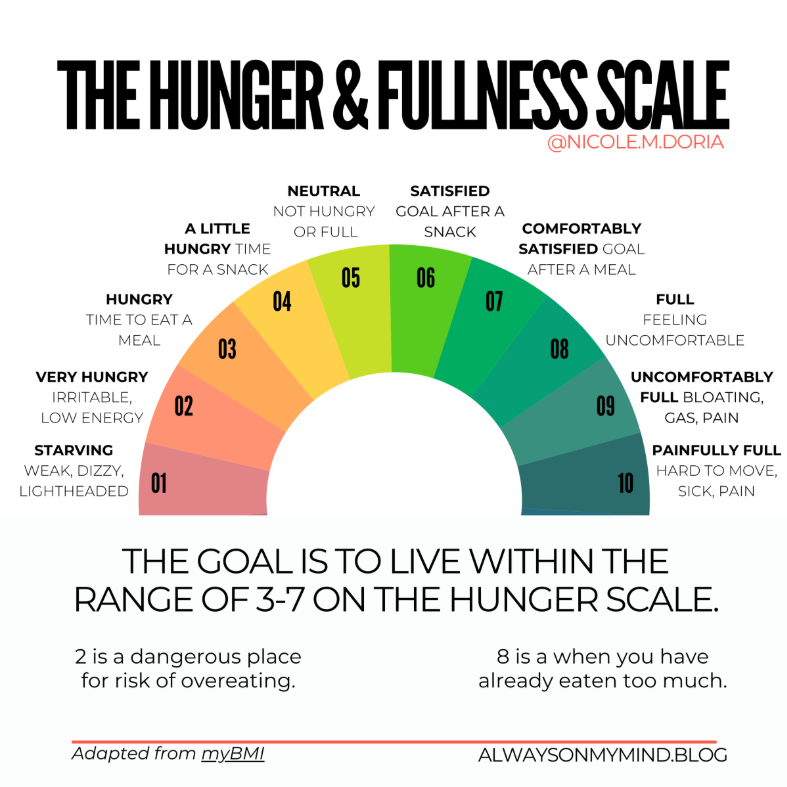
1. Check Your Hunger Scale
Before eating, pause and assess where your hunger falls on a scale of 1 to 10.
- 1–3: Not hungry, maybe just bored or thirsty.
- 4–5: Gently hungry — the best time to eat.
- 6–7: Satisfied but not full.
- 8–10: Overly full or uncomfortable.
**Try to eat when you’re around 4–5, when your body genuinely needs nourishment.**
2. Drink Water or Herbal Tea Before Eating
Often, what we interpret as hunger is actually thirst. Hydrating first can help curb unnecessary snacking and support digestion.
- Try hibiscus tea, lemongrass (mchai chai), peppermint, chai masala tea with milk or ginger tea (tangawizi) — all are soothing, locally available, and naturally detoxifying.
3. Start with Protein and Fiber
Make protein and fiber the foundation of every meal. These nutrients slow digestion, balance blood sugar, and keep you feeling satisfied for hours.
- Good local protein options: eggs, fish (tilapia, dagaa), chicken, beans, lentils, and groundnuts.
- Fiber-rich options: vegetables like mchicha, sukuma wiki, pumpkin, carrots, and whole grains like millet, sorghum, or brown rice.
4. Eat Your Largest Meal at Midday
Research has shown that the human metabolism peaks around midday (12:00–2:00 pm) — this is when your body digests and utilizes food most efficiently.
Having your most substantial meal at lunch provides lasting energy and supports better nutrient absorption throughout the day.
5. Keep Dinner Light and Simple
In the evening, your metabolism naturally slows down. A lighter dinner — such as steamed vegetables, beans, lentils, or a small portion of grilled fish or chicken — supports good digestion and restful sleep. Avoid heavy starches or fried foods at night whenever possible.
6. Close Your Eating Window by 7:30 pm
Finishing your meals early gives your body time to rest, digest, and repair overnight.
For those looking to lose or maintain weight, or improve sleep quality and hormonal balance, try to close your eating window by 7:00–7:30 pm. If you feel hungry before bed, a cup of warm herbal tea or a few nuts can be a gentle way to soothe cravings.
Eating less frequently doesn’t have to be restrictive — it’s about intentional nourishment. The more you listen to your body and fuel it with wholesome, locally available foods, the more naturally your energy, focus, and overall well-being will improve. Over time, you’ll find that your body doesn’t crave constant eating; it thrives on rhythm, consistency, and mindful choices.
⚠️ Reminder: If your activity level is high, or if you genuinely feel hungry, it’s okay to eat a full three meals. Listen to your body — the goal is mindful, practical, and sustainable eating, not restriction.
Breaking the Habit of Eating Out of Boredom
Beyond timing and quantity, many of us eat out of habit, boredom, or stress, rather than hunger. This is often triggered by:
- Boredom: Reaching for snacks while watching TV or scrolling on your phone.
- Stress: Emotional eating can create a false sense of comfort.
- Routine: Mindlessly eating at fixed times without considering hunger cues.

Eating less often or practicing intermittent or intuitive eating allows your body time to rest, repair, and use stored energy efficiently. Benefits include:
- Better digestion and reduced bloating
- Improved blood sugar balance
- Enhanced mental clarity and energy levels
- Weight control and reduced inflammation
In Tanzania, where meals often revolve around ugali, wali, and chapati, it’s easy to overfill our plates. You don’t have to stop eating these favorites, just eat smaller portions, balance them with vegetables and protein, and skip meals when you’re not genuinely hungry.
Join the Challenge: Mindful Eating Week
Want to reset your eating habits? Join our “Mindful Eating Week Challenge” with your family, colleagues, or friends.
- Keep a 7-day food journal.
- Eat only when you’re hungry.
- Reflect on how your body feels — lighter, calmer, and more in control.
It’s not about dieting, rather it’s about building a healthy, conscious relationship with food.

Conclusion
Eating less often or mindfully doesn’t mean skipping meals, rather it means listening to your body, prioritizing nutrients, and using timing strategically.
- Eat when hungry, not just by the clock.
- Prioritize protein and fiber, especially during your metabolic peak.
- Close your eating window earlier in the evening if weight management is a goal.
- It’s okay to eat three meals if your activity level is high — consistency and quality matter most.
By adopting these practices, you can enjoy better energy, digestion, mental clarity, and overall health, all while building a sustainable, mindful, and intuitive approach to eating.
Remember: Your body knows best. Respect it, nourish it, and eat in a way that supports both your health and lifestyle.